The Hidden Cost of Supplier Exceptions
How confident are you in the true cost of working with each supplier?
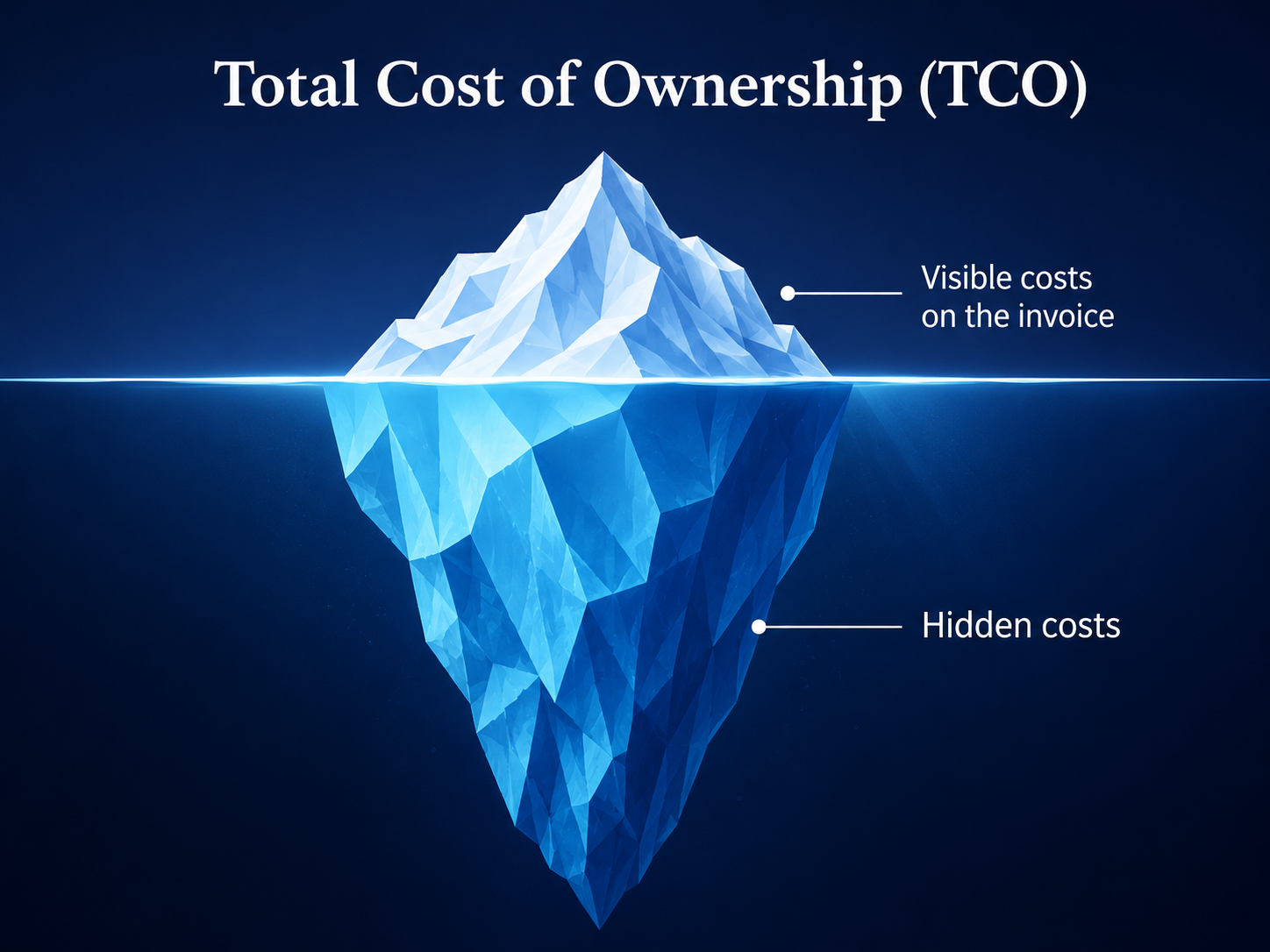
Over the years, I’ve had many conversations about the Total Cost of Ownership (TCO): the cost of working with a supplier beyond the invoice. TCO should include the resources spent to set up a supplier, execute each order, and support ongoing work after delivery and payment.
One of the most underestimated parts of TCO is the cost of managing exceptions.
ERPs, P2P platforms, and AP systems are built to track the automated happy path. Requisition → approval → PO → supplier confirmation → ASN/shipment → receipt → inspection → invoice → three-way match → payment. These systems track timestamps and provide audit history. Who, what, when.
But vendors in the long tail are rarely automated, and exceptions never follow the happy path. So tracking the resources that go into managing them is harder because the work happens outside the system of record.
This may sound familiar: a supplier confirms a delay only after the buyer asks, the buyer and supplier go back and forth over email and phone, data is manually reconciled to assess impact, teams are pulled into meetings to contain risk, and daily reports go up the chain. Most of this context is scattered across channels.
Calculating the resources spent on each exception (# of touches, time spent per touch) is likely incomplete even when using advanced methods like time-driven activity-based costing, because exception workflows don’t leave a clean trail. Relying on back-of-the-napkin math from user surveys or a standard exception multiplier is worse. And this is before we account for the downstream costs like expedited shipments, production changes, and customer impacts that come from finding problems too late.
Exceptions are handled across inboxes, chat threads, text messages, and meetings. Solutions need to meet users in those channels to capture the touches, time per touch, and decisions that systems of record never see.
The goal shouldn't just be measuring the hidden work. It should also be to reduce risk and cost by finding exceptions earlier and resolving them faster through better workflows. That means reducing the manual chasing, reconciliation, and coordination, while making sure teams have the right context early enough to make high-quality decisions.
What have you seen work well when measuring total cost of ownership?